
Every family I plan a safari for asks the same question a different way. “When should we go?” What they really mean is “when will it be full of other families, and when will it cost less?” Getting Kenya school holidays safari booking right starts with a calendar most people never check: Kenya’s own school terms.
Most guides to Kenya safari timing only talk about the Western summer break and Christmas. That is half the picture. Kenya’s schools have their own three-term year, with holidays in April, August, and December. Those dates overlap with the UK and US breaks in some years and miss them in others, and that overlap is what actually pushes camps to full and prices up. Here is how the two calendars line up for 2026, and where a family can slip through the gap.
Kenya School Holidays Safari Booking: Key Dates for 2026
Kenya moved to a three-term academic year under the Competency-Based Curriculum. Per the Ministry of Education’s gazetted 2026 calendar, the terms and holidays run roughly like this (school-level inset days can shift things by a day or two, so treat these as reliable but not exact):
- Term 1: January 5 to April 2, with a mid-term break February 25 to March 1
- April holiday: April 3 to 26, about three weeks
- Term 2: April 27 to July 31, with a mid-term break June 24 to 28
- August holiday: roughly August 3 to 21, about three weeks
- Term 3: August 24 to late November
- December holiday: late November through early January, the longest break of the year, five to six weeks
Compare that to the breaks that drive most international bookings. UK schools usually break for summer from mid-July to early September, six weeks, plus about two weeks over Christmas. US districts vary more, but early June to early September is typical, plus one to two weeks over the winter holidays.
Line the two calendars up and you get this:
| Window | Kenyan school holiday | Western school holiday | Overlap | Typical safari demand |
|---|---|---|---|---|
| Early-mid April | Apr 3-26 | Easter break only (about 2 weeks) | Partial | Moderate |
| August | Aug 3-21 | Mid-July to early Sept | Full overlap | Peak, hardest to book |
| Late Aug to early Sept | Term 3 has resumed (Aug 24) | Still on summer break | Western only | High, but easing |
| Late Sept to late Oct | Term in session | Term in session (UK October half-term late Oct) | Mostly none | Low to moderate |
| Late Nov to early Jan | Long Dec holiday | Christmas/New Year (2-3 weeks) | Full overlap | Peak, second-highest |
The pattern is clear. August and the December-to-New Year window are where Kenyan and Western calendars stack on top of each other. Those are the weeks every family safari operator in Nairobi is fielding calls about, and the weeks camps in the Masai Mara fill first.
Why School Holidays Create Peak Season
It is not just tourist numbers. During Kenya’s own April, August, and December breaks, Nairobi-based expat families, diplomatic staff, and Kenyan families who safari domestically all travel too. That adds a layer of local demand on top of the UK, US, and European visitors already booking those same weeks. Family rooms and interconnecting tents, the ones with two queen beds or a kids’ bunk annex, sell out first because everyone wants them at once.
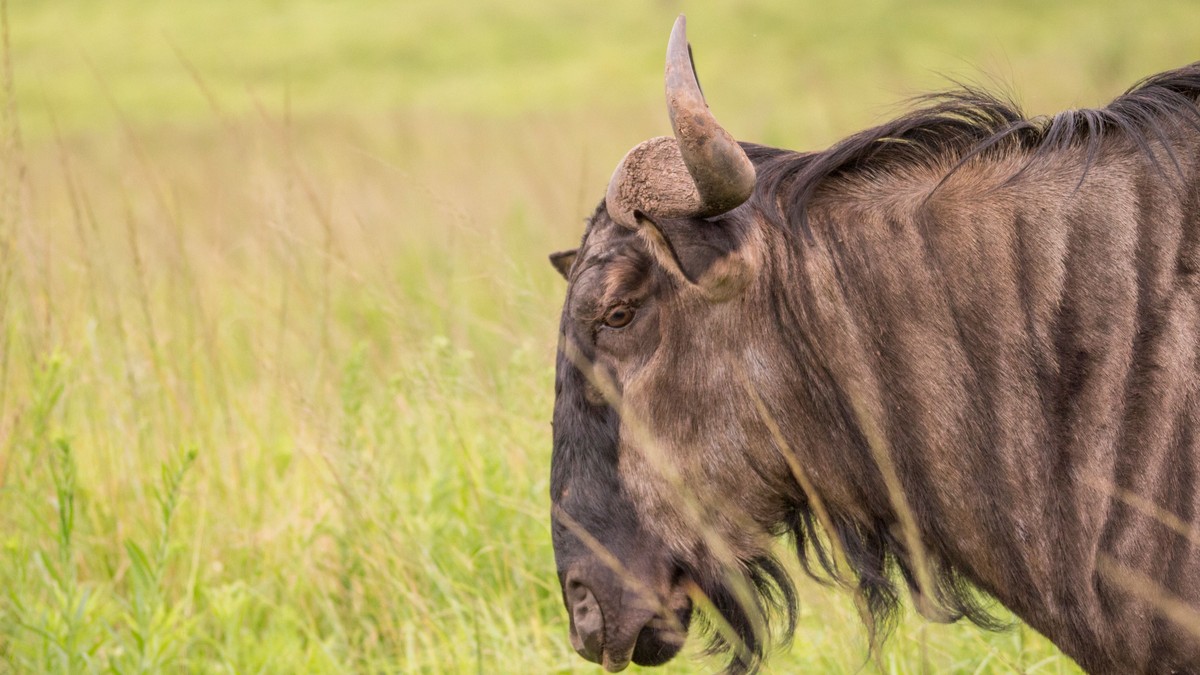
August also happens to coincide with the tail end of the Great Migration river crossings in the Masai Mara, when wildebeest herds cross the Mara River between the Serengeti and the Mara ecosystem. That is a genuine reason to visit, not just a school-calendar accident, and it is part of why August books out six to nine months ahead at popular camps like Governors’ Camp and Angama Mara.
Price Difference: School Holidays vs Off-Peak
Rates below are indicative ranges per person per night, based on typical published rack rates for mid-range to upper mid-range Mara camps. Always confirm current pricing, since rates shift year to year and camp to camp.
| Season | Example dates | Typical rate per adult/night (mid-range Mara camp) | Family room availability |
|---|---|---|---|
| Peak (school holiday overlap) | Aug 1-21, Dec 20-Jan 3 | USD 450-650 | Booked out 6-9 months ahead |
| Shoulder (Kenyan term, Western break) | late Aug, early Sept | USD 350-480 | Limited, book 3-4 months ahead |
| Low-demand (both in term) | late Sept, October, June | USD 250-380 | Good availability, 4-6 weeks ahead often fine |
| Green season (low season) | April, November | USD 200-320 | Best availability, some camps close briefly |
On top of nightly rates, add park fees. The Masai Mara National Reserve conservation fee runs roughly USD 80 to 100 per adult per day, set by Narok County and typically higher in peak months. Amboseli National Park charges around USD 60 per adult per day to the Kenya Wildlife Service. Both are indicative figures. Confirm exact fees when you book, since county and KWS rates do get revised.
How Far Ahead to Book Each Window
For the August window, six to nine months ahead is realistic if you want a specific camp with family rooms in the Mara. For the December to New Year window, book by June or July of the same year. For shoulder weeks in late August or early September, three to four months is usually enough. For genuinely low-demand months like April, June, or October, six weeks can still land you a good camp, though the best family suites go early regardless of season.
Crowding at River Crossings and Popular Parks
During August peak weeks, popular crossing points on the Mara River, like the ones near Lookout Hill and Paradise Plain, can have a dozen or more vehicles parked at a single crossing. That is manageable but not private. Camps in the Mara Triangle or in conservancies like Naboisho and Mara North control vehicle numbers more tightly, since conservancies cap the number of beds per acre and restrict off-road driving to member camps only. That makes a real difference for families with young kids who need shorter, calmer game drives rather than a scramble for position.
Better-Value Alternatives for Flexible Families
If your children’s school calendar allows any flexibility, late September through late October is the sweet spot. Kenyan schools are in term, Western schools are mostly in term too, and the migration herds are often still in the Mara ecosystem into October before moving back toward the Serengeti. UK October half-term, usually the last week of October, brings a small bump in demand, but nothing like August.
The last week of August is another underused window. Kenyan schools resume around August 24, so domestic demand drops, while rates at many camps ease slightly even though Western families are still on summer break. It is not silent, but it is calmer and cheaper than the first three weeks of the month.
For families exploring these gaps, our guide to off-peak Masai Mara travel goes deeper on exactly which weeks give you the best light and the fewest vehicles.
Family-Friendly Camps for School Holiday Travel
Some properties handle school-holiday crowds and family logistics better than others. Camps with genuine family tents (not just an extra mattress), kids’ programs, and shorter transfer times from Nairobi tend to be worth the premium during peak weeks. We cover specific properties, room configurations, and malaria-zone considerations in our roundup of family-friendly safari lodges in Kenya, which is worth reading before you commit to a peak-season date.
Peak vs Off-Peak: A Simple Decision Framework
Ask three questions. Can your kids only travel during their own school holidays? Then plan for peak pricing and book early, no way around it. Can you shift by even two or three weeks either side of the school break? Then late August or the days just before a Western half-term will save you real money. Is your main goal seeing the migration specifically? Then July through October matters more than any calendar, and you accept some crowding as the cost of good sightings.
Practical Booking Tips and Common Mistakes
Don’t assume Kenyan school holidays don’t matter because you’re not Kenyan. They still pull local demand into the same camps you want. Don’t wait to book family rooms specifically. They’re the first inventory to go at any camp, in any season. And pace the itinerary for kids, not adults. Two shorter game drives with a midday break at the pool beats one long dawn-to-dusk push. Our notes on managing game drive fatigue in kids cover how we structure days for younger travelers.
The Valley Safaris Difference
We plan around your children’s actual term dates, not a generic “peak season” label. That means checking your school’s calendar against Kenya’s, flagging the two or three weeks where demand genuinely overlaps, and building the trip around the gaps where we can. We know which camps hold family suites back for repeat clients, which conservancies keep vehicle numbers low during busy weeks, and which lodges near Nairobi make a short first night easier on jet-lagged kids. It’s the same planning we’d do for our own families, because several of us have done exactly that with ours.
Plan Your Family’s Safari Dates With Us
If you want help matching your children’s school calendar to the right safari window, before the family rooms at your first-choice camp are gone, we’re happy to walk through it with you. Take a look at our family safari tours or reach out through our contact page and we’ll build the timing around you.